Driving mad io turns simple driving controls into a tense physics challenge. Your car faces ramps, gaps, narrow roads, and tricky terrain. Every correction matters when the road stops feeling flat and safe.
Martin Magni’s game focuses on obstacle courses and creative level designs. It keeps the control scheme clear, but the balance challenge stays sharp. Forward movement feels easy until the next landing demands better timing.
Use patience before speed. Watch the road, control your tilt, and correct mistakes before they grow. Play Driving mad io online now and test how long you can stay upright.
Driving mad io Controls and Balance
Two-Button Driving Rhythm
Driving mad io uses a small control set. Press W or Arrow Up to drive forward. Press S or Arrow Down to reverse or slow down.
That simplicity creates the game’s main rhythm. Forward input builds movement, while reverse input helps manage speed. Neither command replaces good judgment. You still need to choose when to push and when to ease off.
Hold forward across a safe stretch. Release the pressure near a ramp or gap. Use reverse before the car reaches a dangerous angle, not after the landing fails. This rhythm keeps your choices clear during busy obstacle sections.
Think of each input as a balance tool. Forward keeps the car moving through the course. Reverse gives you a chance to reduce a mistake. Strong runs come from switching between both controls with purpose.
Why Small Inputs Matter
Large corrections often create new problems. A quick forward press can lift the front end too far. A late reverse input may leave the car short of the next surface.
Tap with care around narrow roads. Let the car settle before adding more speed. Small changes give you more time to read the terrain and keep the body closer to a useful angle.
Good balance starts before trouble appears. Slow slightly before a difficult section, then adjust from a stable position. This approach feels slower at first, but it prevents many rough recoveries.
Recovering After a Bad Angle
A poor angle does not always end the attempt. Use reverse to reduce forward movement and give the car time to settle. Then apply forward again once the body points toward the road.
Do not panic with repeated inputs. One careful correction usually beats several rushed ones. Recovering well means regaining control, not forcing speed immediately.
Reading Obstacles Before You Commit
Ramps and Gaps
Study the next ramp before pressing forward. Look at its height, its landing space, and the road that follows. A jump requires more than reaching the edge. You need a useful angle when the car leaves the surface.
Approach a gap with controlled speed. Too little movement may leave the car short. Too much can send the front end high and spoil the landing. Use reverse before the launch if the car already feels unstable.
After the jump, prepare for the landing immediately. Keep your attention on the receiving surface, not just the distance ahead. A clean arrival gives you a better chance to handle the next obstacle.
Some ramps reward momentum. Others punish it. Learn that difference by watching the whole section first, then choose a pace that matches the space available.
Narrow Surfaces
Narrow roads leave little room for correction. Enter them with a steady body angle and modest speed. A small drift toward the edge can become a full fall when the surface offers no spare width.
Watch the road’s direction before committing. If it rises or drops soon after entry, reduce speed early. This keeps the car easier to guide while the available surface changes.
Use short control changes rather than long holds. The goal is not maximum speed. The goal is keeping the car centered long enough to reach safer ground.
When to Slow Down
Slow down before ramps, gaps, and narrow surfaces. Reverse input works best as preparation. Waiting until the car reaches the hazard leaves less room for recovery.
Choose control over momentum. A slower approach often reveals the next move sooner.
Creative Level Design and Tricky Terrain
What Makes Each Stage Different
Driving mad io builds its challenge around unique road obstacles. One section may test a jump, while another demands careful movement across a tight surface. The car stays familiar, but the terrain changes the decisions around it.
Creative level designs keep you from using one fixed pace. A method that works on a wide approach may fail near a sharp rise. Each stage asks you to inspect its shape before choosing how much forward input to use.
Tricky terrain also changes how mistakes develop. A bad entry can affect the next landing. A rushed correction can turn a small tilt into a complete loss of balance.
Read the stage as a chain of connected moments. Identify the difficult section first. Then decide where you need speed, where you need restraint, and where a correction might save the run.
How Layout Changes Your Pace
Road layout controls your timing. Open ground gives you space to build movement. Tight terrain removes that safety and makes every input more valuable.
Adjust before the surface changes. Carry enough speed for a gap, then reduce it before the next narrow section. This creates a smoother pace than holding forward throughout.
Let the obstacle set the tempo. Driving mad io rewards players who match movement to terrain instead of chasing speed everywhere.
Why Repetition Helps
Repeat difficult sections with a clear goal. First, learn the shape. Next, test a safer pace. Then, refine the correction that keeps the car stable.
Each attempt teaches the road’s timing. That knowledge makes later decisions faster and calmer.
Try Driving mad io right here and turn each tricky section into a skill test.
How to Survive the Physics Driving Model
Weight Shift and Tilt
The physics driving model makes tilt a constant concern. Forward movement affects how the car approaches rises and leaves ramps. Reverse input helps reduce motion when the body starts to lean too far.
Watch the car’s angle, not only its speed. A fast car with a poor tilt may fail quickly. A slower car with a steady body often has more useful control.
Balance begins during the approach. Adjust before the car reaches the edge. That early decision gives the vehicle more time to settle in the air or on uneven terrain.
Use forward input when the road supports steady progress. Use reverse when the angle or pace becomes unsafe. Keep both choices deliberate.
Landing Cleanly
Prepare for a landing before the car leaves the ramp. Aim for a body angle that meets the next surface without a harsh front-first drop.
Reduce speed when the landing area looks short. A controlled arrival keeps the run alive and makes the next obstacle easier to read.
Do not treat every jump as a speed test. Treat it as a balance test.
Staying Upright
Staying upright depends on calm corrections. Avoid sudden changes when the car already leans. Use reverse to slow the motion, then return to forward movement once the angle improves.
Keep the car’s position in mind on narrow terrain. Centered movement leaves room for small errors. Edge movement removes that room.
Physics rewards control more than frantic input.
Playing Driving mad io Across Browser Builds
Browser Access Without Download
Driving mad io runs directly in the browser through HTML5. The browser format keeps the focus on the road, the controls, and the next obstacle.
Open the game, confirm the driving area, and begin with a gentle forward input. That first moment helps you read the car’s balance before the terrain becomes harder.
Why Versions Can Differ
Driving mad io stays strongest when you balance forward progress with careful control.
Compare with Similar Games
| Game |
Why Similar |
| Mini car ball |
vehicle control with balancing/steering while moving through obstacle-heavy stages |
| Stunt Simulator |
driving a vehicle through stunt courses with ramps and obstacle navigation |
✨ Key Features of Driving mad io
- Physics driving
- Obstacle courses
- Creative level designs
- Balance challenge
- Free access
How to Play Driving mad io
Step 1: Use the game controls
Use W to drive forward. Use S to reverse or slow down. Use Arrow Up to drive forward. Use Arrow Down to reverse or slow down.
Step 2: Start With Gentle Inputs
Load the browser build and begin moving with very small forward or reverse presses. The game rewards soft control more than aggressive acceleration.
Step 3: Read the Terrain First
Look at ramps, gaps, and narrow sections before committing. Each obstacle changes how the car should be balanced.
Step 4: Use Braking as Correction
If the car tips too far, slow it down instead of forcing speed. Careful braking helps you recover control on awkward ground.
Step 5: Keep the Vehicle Upright
Watch the car’s angle while crossing uneven surfaces. The safest runs come from staying level through the roughest parts.
Step 6: Repeat Problem Sections
Retry difficult parts until the timing feels natural. The creative level layouts are easier once you learn each section’s rhythm.
Driving mad io FAQs
What are the basic controls for Driving mad io?
Browser keyboard: W — drive forward; S — reverse or slow down; Arrow Up — drive forward; Arrow Down — reverse or slow down.
Does Driving mad io require a separate installation?
No. The browser version of Driving mad io runs on the page without a separate installation.
How do you beat a difficult section in Driving mad io?
The best approach is to make tiny inputs and study each obstacle before committing. The game rewards patience, because rushing into ramps or awkward terrain usually makes the car harder to keep balanced.
Where can I play Drive Mad?
That means you can play it in a web browser on the documented game pages without installing a separate client.
Conclusion
Driving mad io delivers a focused Physics Driving experience in a simple Single mode. Its appeal comes from the clear, hands-on driving system: W or Arrow Up drives forward, while S or Arrow Down reverses or slows down.
That straightforward control scheme gives each input a clear purpose and keeps attention on the physics of driving. Whether you prefer keyboard letters or arrow keys, the game offers a simple way to engage with its movement without unnecessary complexity. If you enjoy concise browser experiences, Driving mad io is ready to play here. Start now and play it right here on this page.
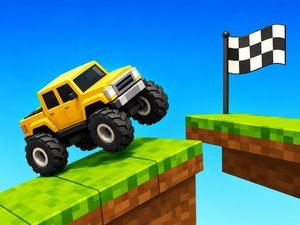
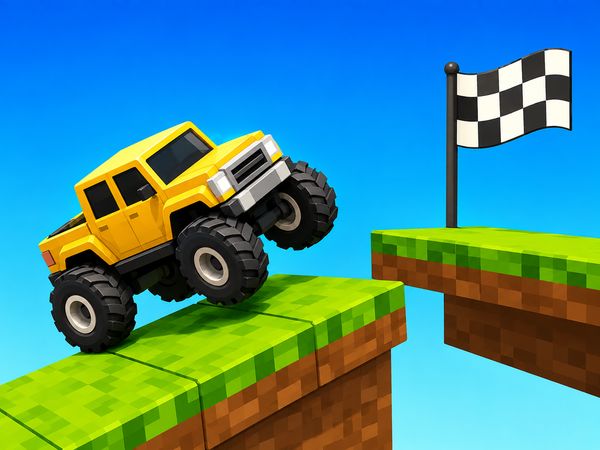
Driving mad io Game Image

No comments yet. Be the first to share your thoughts!