
Stack Tower
Move block
Drop block
Game Details
- Technology: HTML5
- Playable on: Browser
- Platforms: PC, Android, iOS
- Genre: Timing-based block stacking
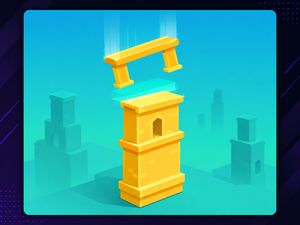
Stack Tower turns every falling block into a split-second decision. Move the block across the tower, wait for the right moment, then drop it cleanly. Precise timing keeps the structure wide and stable. A small mistake changes the next placement.
The game uses a simple loop, but each level tests your focus. You control one moving block at a time. Line it up with the stack below, then commit before the opening disappears. Singleplayer play keeps the pressure on your own timing and score.
Stack Tower runs directly in the browser and uses HTML5. You can start a quick session without a complicated setup. Play Stack Tower online here and test how long your tower can stay precise.
Each turn begins with a block sliding across the top of the tower. Watch its path before pressing anything. The block moves left and right, creating a changing target above the last piece. Your job stays focused: place the moving block over the existing stack.
Do not rush the first few movements. Track the block’s width and position instead. A wide overlap gives you a clearer drop. A narrow overlap demands sharper timing. The tower does not pause while you decide, so keep your eyes on the block rather than the growing height.
Use the tower’s edges as visual guides. Compare the moving piece with the block directly underneath it. The lower block gives you the most useful reference because it defines the next landing area. Move early when the block travels away from that area. Then release when the two shapes line up.
Stack Tower rewards a calm visual rhythm. Follow the block, judge the overlap, and drop. Repeat that pattern after every successful placement. The screen stays simple, yet the moving target gives every turn a fresh timing test.
Alignment decides how much of the moving block remains in play. A precise drop keeps the block full-sized, preserving a broad surface for the next turn. A misaligned drop leaves a smaller block in the tower. That reduced shape gives you less room to judge future placements.
Think of each drop as setting the next target. Centered pieces create cleaner references and support a straighter tower. Poor alignment changes that reference immediately. Watch the landing area, not only the block’s current position, and release when the overlap looks strongest.
Perfect placement gives your tower the best shape for continued stacking. When the moving block matches the block below, it stays full-sized. That keeps the usable width high and makes the next moving target easier to read. A straight tower also supports stronger scoring than a crooked one.
Focus on the block’s center rather than its leading edge. The center gives you a steadier visual marker as the piece moves. Follow one complete pass before committing if the timing feels unclear. Then drop during the cleanest overlap, instead of reacting to the last instant.
Small corrections matter. If the block drifts left, guide it back before it reaches the landing point. If it moves right, make the same adjustment early. Late movement often turns a strong setup into a thin landing. Stack Tower makes precision more valuable as your score rises.
Perfect placement also protects your future choices. A full-sized block offers more visual space and a clearer edge. That makes the next turn easier to judge. Straight stacking therefore helps twice: it supports points now and keeps later timing manageable.
A missed drop changes the tower’s size and shape. The next block then has a smaller area to meet. That tighter target raises the chance of another imperfect placement. Stay patient after a mistake, and watch the new top block carefully.
Do not chase a perfect recovery with a rushed click. Find the strongest overlap available. A controlled drop can keep the tower going, even when the structure no longer looks straight. Each successful placement gives you another chance to restore your rhythm.
Start playing Stack Tower here, then aim for your cleanest run.
Stack Tower keeps its input set direct. With a mouse, use Mouse Move Left / Right — Move block. Move the pointer to guide the block across the tower. When the overlap looks right, use Left Mouse Button — Drop block.
The browser version supports mouse or tap input. On a touch screen, use Tap — Place block. Tap once when the moving block reaches the position you want. The game then judges that placement against the stack below.
Mouse movement helps you shape the block’s path before the drop. Tap input removes that extra movement step. It asks you to read the motion and choose one clear moment. Both control styles depend on the same skill: matching the moving piece with the tower.
Keep your input simple. Move only when the block needs guidance. Avoid repeated changes that make its position harder to read. A steady hand gives you better information before the final action.
One-tap stacking turns each placement into a firm choice. You cannot keep adjusting after the tap. Watch the block’s position, compare it with the tower, and commit at the strongest overlap.
Tap too early, and the block may miss the best alignment. Tap too late, and the landing area may become narrow. Build a repeatable rhythm instead of guessing. Read, wait, place.
Stack Tower includes 40 levels arranged across 8 worlds. That structure gives the singleplayer game a clear path through its stages. Each level asks you to repeat the same central task: move the block, time the drop, and build upward with precision.
The level count makes progress easy to track. One completed stage leads into the next challenge within the wider world structure. Your focus stays on placement quality rather than on a collection of extra systems. The tower itself remains the main test.
Use each stage as a timing check. Notice how confidently you read the moving block before trying to rush. A steady approach helps you carry better habits into the next level. The 40-level layout gives that practice a defined route.
The eight worlds mark the game’s broader progression. As you move through them, the central stacking task remains familiar. You still depend on alignment, timed drops, and careful control.
That familiar loop keeps the focus clear. Track your placement from stage to stage, and treat every new level as another test of timing. The world structure adds direction without taking attention away from the tower.
Endless play shifts the focus from clearing a fixed stage to extending your tower run. Keep placing blocks while your timing holds. Every extra piece gives you another chance to improve the height and score of that attempt.
This format creates a different kind of pressure. A short run feels manageable, but longer runs demand steady attention. One careless drop can disrupt the rhythm you built over many placements. Stay with the block’s movement and avoid letting a strong score force a rushed decision.
Endless gameplay also makes quick sessions easy to repeat. Start again, refine the moment of each drop, and try to beat your previous result. The goal stays personal until the ranking adds a wider challenge.
Global Rankings bring worldwide pressure to the competition. A precise tower matters beyond one session when other scores enter the picture.
Chase cleaner placements rather than reckless height. Straighter stacking gives you a better chance to protect each run and push your score higher.
Use Mouse Move Left / Right to move block. Use Left Mouse Button to drop block. Use Tap to place block.
Watch the block’s movement and wait for a stable alignment point.
Click or tap when the piece lines up over the stack so it lands squarely.
Avoid sloppy placements, because any overhang cuts the next block down.
Use smaller timing adjustments once the tower gets thinner and harder to hit.
Browser mouse: Player 1: Mouse Move Left / Right — move block; Player 1: Left Mouse Button — drop block. Mobile: Player 1: Tap — place block.
📱 Download on:
Stack Tower delivers a focused timing-based block stacking experience for singleplayer sessions. Its simple objective and clear interaction make each placement feel engaging, while the need to judge timing keeps the action centered on precision. Built with HTML5, it is easy to access in a browser across PC, mobile, Android, and iOS.
Move the block left or right with the mouse, then press the Left Mouse Button to drop it into place. On mobile, a tap handles placement for a straightforward experience. If you enjoy simple controls and timing-focused play, Stack Tower is an inviting choice. Play Stack Tower here and start stacking today.
No comments yet. Be the first to share your thoughts!