Counter-Strike 2 turns every footstep, smoke cloud, and split-second duel into a team decision. One accurate shot can change a round. One rushed peek can give the other side everything it needs.
This tactical first-person shooter comes from Valve. It launched on September 27, 2023, as a free upgrade to Counter-Strike: Global Offensive. The game replaced Global Offensive on Steam, bringing familiar competitive play into Source 2.
Learn the round rhythm, manage your money, and read the map before committing. If you want to play Counter-Strike 2 online, start here and put these fundamentals into practice.
Counter-Strike 2 at a Glance
What Kind of Shooter It Is
Counter-Strike 2 is a free-to-play tactical first-person shooter. It focuses on online multiplayer, competitive team play, and careful positioning. You do not simply run toward opponents and fire. You gather information, control useful space, and choose when to fight.
Its core rounds place two teams against each other. Terrorists work toward a bomb objective, while Counter-Terrorists defend sites and attempt to stop them. The bomb-defusal structure makes time, sound, and teamwork matter. A player who survives may still lose the round if the objective gets ignored.
Weapons feel dangerous, so every duel deserves respect. Hold a useful angle, move with purpose, and avoid giving opponents easy targets. Counter-Strike 2 rewards players who make calm decisions under pressure. The strongest shooter is not always the fastest player. Often, it is the player who understands the situation first.
Why the Match Flow Matters
Each round creates a fresh tactical problem. Your team starts with limited information, then builds a plan from movement, utility, and enemy reactions. Early pressure may force defenders to reveal their positions. A quiet start may preserve options for a later site hit.
Round wins also shape the next buy. That connection gives the match a strong rhythm. Fight with a plan, protect useful equipment, and remember the next round before making a risky move. Small choices build momentum across the match.
What Carries Over From CS:GO
Counter-Strike 2 continues the competitive identity of Counter-Strike: Global Offensive. It keeps the tactical team format, bomb-defusal focus, and familiar round-based structure. Valve launched it as a free upgrade, rather than as a separate replacement series.
That relationship makes the game feel recognizable. Veteran players understand the basic goals immediately, while new players can learn the same core habits through practice.
Mastering Counter-Strike 2 Movement and Aim
Stopping Before You Shoot
Good aim begins with controlled movement. Moving sideways while shooting makes precise fights harder, so stop before taking an important shot. Tap the opposite movement direction to settle your position, then fire with purpose.
The verified movement controls are simple. W moves forward, A moves left, and S moves backward. D moves right. Hold Shift to walk quietly, and press Space to jump. Use Left Click to shoot. Right Click handles alternate fire or inspection. Press G to drop a weapon.
Start with short movement bursts. Stop, aim, and shoot. Then reposition before the next duel. Use quiet walking when sound could expose your approach, but do not walk everywhere. Slow movement can cost time when your team needs pressure.
Jumping also needs discipline. Space can help you cross small gaps or change your movement, but jumping into a fight removes control. Treat every input as a choice. Better movement creates better aim opportunities.
Peeks, Trades, and Crosshair Placement
Keep your aim near the height where an opponent’s head will appear. Place it beside the angle before you peek. That reduces the distance your mouse must travel during the duel.
Use short peeks to gather information. Use wider peeks when you need to challenge an opponent. When possible, let a teammate follow your contact. If the first player falls, the second player can trade the elimination instead of leaving the fight unfinished.
Do not expose your whole body while checking every angle. Clear one threat at a time. Counter-Strike 2 punishes careless exposure, especially when defenders hold strong positions.
Why Small Mistakes Lose Rounds
A late peek can turn a fair duel into a free elimination. A loud approach can remove surprise. A missed shot may reveal your position without creating pressure.
Review each death with one question: did the fight begin on your terms? If not, fix the movement, timing, or angle that caused it.
Start playing Counter-Strike 2 now, then test these habits in your next round.
Round Economy and Buy Decisions
Pistol Rounds Set the Pace
Pistol rounds begin with limited firepower. That makes positioning and group movement especially valuable. Stay close enough to support teammates, but leave room to approach from different angles.
Attackers should choose a clear target area instead of spreading across the entire map. A focused push gives the team more strength at one point. Defenders should protect likely approaches and avoid isolated fights. Information matters even more when every weapon has limited stopping power.
The opening result also affects the next purchase. A win may provide better equipment and stronger pressure. A loss may leave the team choosing between saving money and attempting a risky response. Think beyond the current round.
Do not chase a single opponent after gaining an advantage. Secure the objective, protect your team, and make the other side spend time. Pistol rounds reward simple plans executed together.
Eco, Force, and Full Buys
An eco round limits spending so the team can afford stronger equipment later. A force buy spends available money immediately, even when the next full purchase may suffer. A full buy gives the team its best planned equipment for that stage.
Choose as a group. One player buying alone rarely fixes a weak team purchase. Check the money situation before calling a fight, then match the plan with the round goal.
When funds look poor, seek value through teamwork. When the team has a strong buy, protect it. Avoid throwing expensive equipment into a low-percentage duel.
Saving Weapons at the Right Time
Saving means keeping a weapon instead of taking a hopeless final fight. Consider the next round, the remaining time, and your chance of winning the current situation.
Leave danger when the round no longer offers a realistic recovery. A saved weapon can give the team firepower without another full purchase. Do not save automatically, though. If the objective remains winnable, act together and contest it.
Map Control, Bomb Sites, and Rotation Timing
Reading Space Before Commiting
Map control means more than standing in the middle. It means owning useful routes and denying safe movement. Start by asking what your team knows. Which areas remain unseen? Which defenders have revealed themselves? Where can the other team rotate?
Use early pressure to create choices. A presence near one route may pull defenders away from another. That pressure becomes valuable only when your team reacts to the information. Do not repeat the same attack after defenders have adjusted.
Before committing to a site, check the space around it. A clear entry does not guarantee a safe plant. Opponents may approach from another route, and a late flank can ruin a strong hit.
Mid-round decisions should stay flexible. Slow down when defenders overreact. Speed up when a gap appears. Keep enough players alive to finish the plan after the first duel.
Planting and Defusing the Bomb
Bomb-defusal rounds revolve around the objective. Attackers need to reach a site, plant the bomb, and protect the post-plant position. Defenders need to stop the plant or defuse the bomb after clearing the area.
Do not plant without considering nearby threats. Choose a position that gives your surviving teammates useful protection. After planting, spread pressure across likely approaches instead of staring at the bomb alone.
Defenders should avoid rushing into a blind retake. Gather teammates, clear dangerous positions, and move with enough time. A calm defuse attempt often beats a desperate solo entry.
Rotations That Arrive on Time
Rotate when the information supports it. Footsteps, enemy contact, and objective pressure can justify movement, but guessing too early leaves another area open.
Defenders should keep one player watching a route when possible. Attackers should remember that a loud hit may bring help from across the map.
Arriving late creates a numbers problem. Arriving too early creates a space problem. Read the round, then move.
Source 2 Features That Change Fights
Dynamic Volumetric Smoke
Dynamic Volumetric Smoke changes how teams use smoke grenades. The smoke fills space more naturally instead of acting like a simple flat wall. Bullets and explosions can react with it, which may break or reopen vision during the same round.
That behavior changes lineups, site takes, and retakes. A smoke screen does not always stay untouched from the first throw. Teams must watch how the cloud changes, then adjust their timing.
Use smoke to shape a fight, not to end your thinking. A blocked view can hide an approach, but it can also hide an enemy move. Recheck the space when bullets or explosions disturb the cloud.
Sub-Tick Architecture
Sub-Tick Architecture records actions with finer timing than a simple tick boundary. That affects the feel of shots, movement, and utility during close duels.
Small timing differences matter when two players swing into the same angle. Aim, movement, and firing decisions need clear intent. Do not blame every lost duel on timing. Clean positioning still gives you the best chance.
Updated Maps and Visual Clarity
Counter-Strike 2 uses Source 2 features to support its refreshed presentation. Clear visual information helps players read cover, routes, and changing sightlines.
Use that clarity during every map decision. Spot the space your team controls, identify exposed approaches, and keep your attention on the objective.
The best visual read still needs a fast response. See the opening, then act before it disappears.
Playing Online on Steam
Where the Game Lives
Counter-Strike 2 is available through Steam. Valve launched it on September 27, 2023, replacing Counter-Strike: Global Offensive on the platform.
Steam provides the official home for the game. Access the listing there, then enter its online multiplayer environment. The main experience centers on team-based tactical shooting rather than solo progression.
Make sure your controls feel comfortable before joining serious rounds. Movement and aim both depend on quick, repeatable inputs.
Free Access and Prime Status
The game is free to play. You can access Counter-Strike 2 through Steam without buying the base game.
Prime Status remains a separate consideration for players who want the related account option. Check the current Steam listing for its precise terms before making a purchase.
What Online Play Actually Means
Take your position, watch the objective, and make the next useful decision.
Compare with Similar Games
| Game |
Why Similar |
| Bullet Force Multiplayer |
team-based multiplayer first-person shooting with objective-style combat |
| Forward Assault |
tactical team-based shooting with round-like competitive matches |
| ZombsRoyale.io |
multiplayer shooting where players eliminate opponents to be the last one standing |
✨ Key Features of Counter-Strike 2
- Free to play
- Tactical first-person shooting
- Online multiplayer
- Bomb defusal rounds
- Source 2 engine
- Dynamic volumetric smoke
How to Play Counter-Strike 2
Step 1: Use the game controls
Use W to move forward. Use A to move left. Use S to move backward. Use D to move right.
Step 2: Load into a match
Start a standard match and learn the round rhythm first. Do not rush every fight.
Step 3: Buy for your economy
Spend with the next rounds in mind. A weak buy now can ruin the next two rounds.
Step 4: Hold angles with discipline
Stop moving before you fire. Accurate first bullets matter more than panic spraying.
Step 5: Use utility to take space
Throw smoke and flashes to enter sites or block sightlines. Good utility creates safe routes.
Step 6: Trade every teammate
Follow close enough to answer a death immediately. Trading keeps pressure on defenders.
Step 7: Play the objective
Attack the bombsite, plant, then protect the bomb. On defense, stall the plant and retake together.
Counter-Strike 2 FAQs
What are the basic controls for Counter-Strike 2?
Browser keyboard: W — move forward; A — move left; S — move backward; D — move right; Shift — walk quietly; Space — jump; G — drop weapon. Browser mouse: Left Click — shoot; Right Click — alternate fire or inspect.
Is Counter-Strike 2 free on PC?
Yes. The official Steam listing and Valve’s own site both describe Counter-Strike 2 as free to play or a free upgrade to CS:GO.
Is CS2 still active?
Yes. Steam community activity and recent update pages show ongoing support, and recent search features still surface current posts and videos around the game.
Why is CS2 shutting down?
Current official pages and recent activity instead show an active live game with updates.
Conclusion
Counter-Strike 2, released in 2023, delivers a focused tactical first-person shooter experience built around multiplayer action. Its standout Dynamic Volumetric Smoke makes smoke grenades fill space naturally and react to bullets and explosions, so lineups, site takes, and retakes can change within the same round as vision is broken and reopened.
Sub-Tick Architecture records actions with finer timing than a simple tick boundary, making shots, movement, and utility feel more exact when close duels matter. With direct controls for movement, quiet walking, shooting, and alternate fire or inspection, every decision can feel deliberate. If you enjoy tactical multiplayer that rewards timing and adaptability, Counter-Strike 2 is ready to play right here on this page—jump in below.
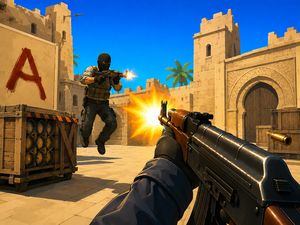
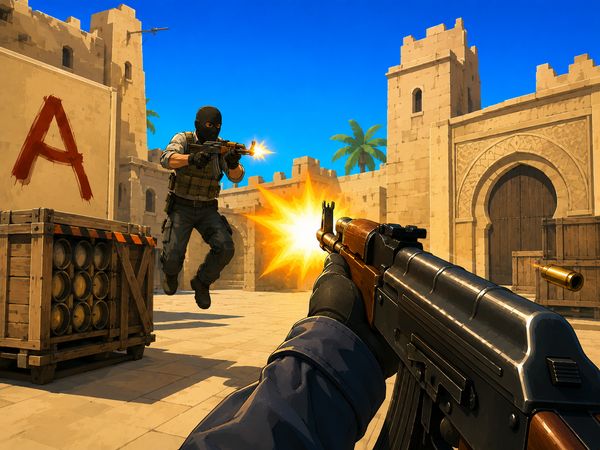
Counter-Strike 2 Game Image

No comments yet. Be the first to share your thoughts!