
A small world cup
Pick player, Cursor to Drag player
Game Details
- Technology: HTML5
- Playable on: Browser
- Platforms: Android
- Genre: Physics-based mini-soccer
- Developer: Rujo Games
- Released: 2017
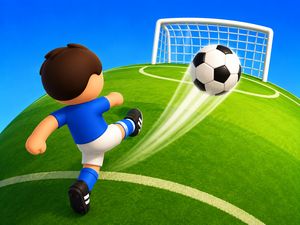
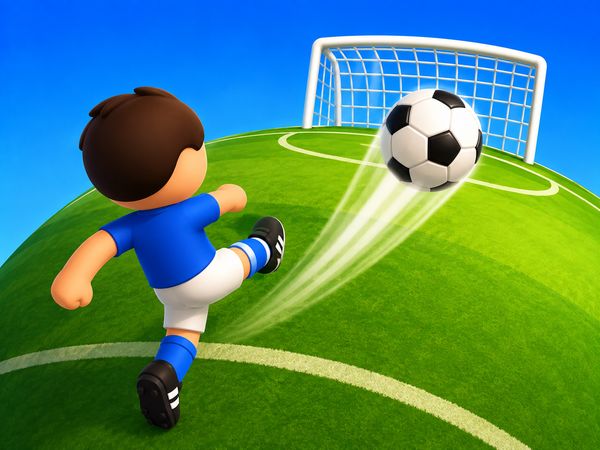
A small world cup turns soccer into a quick physics duel, where one careful drag can beat a stronger-looking attack. Rujo Games released this HTML5 game in 2017. Each player moves like a loose ragdoll, so contact rarely feels perfectly clean or predictable.
The goal stays simple: push the ball into the opponent’s net before the short match ends. Your mouse controls every launch. Small changes to angle, distance, and timing often matter more than wild swings.
Tournament play adds pressure beyond one isolated kickoff. You must adjust after every strange bounce and stay calm when a late goal changes everything. Play A small world cup online now and test how well your mouse control handles the chaos.
Move the cursor while holding that click, and you drag the player into position. The game does not ask for a large control scheme. Your hand manages the whole launch with one clear action.
Click near the player’s body rather than rushing toward an edge. A clean pickup gives you better control over the next movement. First, notice where the player stands. Then decide whether you need a direct hit, a defensive shove, or a small adjustment near the ball.
Keep your movements deliberate. Ragdoll bodies react to contact, so a rushed pickup can create a poor starting angle. You do not need to drag far every time. Often, a short reposition gives the player enough reach without sending the body too far forward.
Cursor direction sets the launch line, while drag distance helps shape its force. Pull farther when you need a strong challenge toward the ball. Use a shorter drag for close control or a safer touch. Aim through the ball, not merely toward it, because the contact point changes the next bounce.
Try tiny angle changes before committing to a long pull. A nearly straight drag may push the ball forward, while a slight diagonal can move it away from danger. Watch the space behind your player too. Extra power can leave your goal exposed.
Release the left click once the player points along your intended path. Holding longer can shift the body away from the opening you created. Pause briefly, read the ball, and then let go. Good timing comes from seeing the whole lane rather than reacting to one sudden movement.
A small world cup uses ragdoll football instead of stiff, fixed player movements. Bodies tumble, slide, and rotate after contact. That makes each challenge feel different, even when you repeat a similar drag. The result rewards reading motion instead of memorising one perfect input.
Expect the player to keep moving after the first collision. A shoulder touch may redirect the ball, while a body landing nearby can create another deflection. Watch the player’s balance before launching again. If the body already leans forward, a smaller drag may produce enough movement.
Unpredictability does not mean every result feels random. Position still matters. Distance, angle, speed, and nearby bodies shape the outcome. Give yourself room to react. Crowded contact creates more surprises than an open approach.
Study the ball’s current path before choosing your player. A rebound can carry the ball toward a useful lane or back into danger. Set up slightly ahead of that path when possible. This lets the player meet the ball instead of chasing its last position.
Walls and bodies can change an attack quickly. Use a light touch when you want to keep the ball nearby. Choose more force when a clear lane reaches the goal. After every bounce, reset your plan. The previous angle may no longer fit the new position.
Defensive panic causes many cheap goals. Do not drag directly across your own net without checking the ball’s line. A strong shove can become a bad deflection. Choose a safer angle, protect the open space, and let the opponent make the risky contact.
Short matches give every touch extra weight. You cannot spend long sessions waiting for one perfect opening. A missed launch may waste valuable time, while a quick goal can change the whole contest.
Start by reading the kickoff instead of dragging immediately. Check which player reaches the ball first and where the rebound may travel. Then use a controlled launch. Fast decisions help, but rushed decisions often create openings for the other side.
As the clock moves on, simplify your choices. Attack when the lane looks clear. Defend when your player sits out of position. The short format keeps pressure high from the opening touch through the final exchange.
The core objective is to score more goals than the opponent before the match ends. A lead helps, but it does not remove the need for care. One loose body can redirect the ball into your own danger area.
When you trail, look for a direct route instead of forcing several contacts. When you lead, favour stable positioning and clean clearances. Every attack should serve the clock. Move the ball with purpose, then recover quickly after the attempt.
Follow the match in three simple phases: read the kickoff, build a useful contact, and recover after the bounce. Keep watching the clock during each phase. Finish every play with a clear next position, whether you scored or missed.
Start playing A small world cup here when you want a fast soccer challenge with immediate mouse control.
Tournament play lets you choose a team before entering bracket action. The choice gives your run a clear identity, but your control still decides each match. Do not expect a team selection to replace good positioning or careful launches.
Pick a team and learn its visual shape quickly. You need to recognise your active player during crowded contact. Keep your first tournament match simple. Test short drags, watch the ball’s response, and build confidence before attempting risky attacks.
A tournament rewards consistency more than one spectacular goal. Choose a team you can track easily, then focus on clean decisions. Your best advantage comes from understanding the field situation at every kickoff.
Single-player tournament matches place you against computer-controlled opponents. Watch how each opponent approaches the ball. Some attacks may arrive directly, while others create pressure through repeated contact.
Do not copy their speed. Let the opponent overreach when possible, then use the open lane. Keep your player between the ball and your goal during defensive moments. One calm response can turn an awkward challenge into a counterattack.
Bracket play punishes emotional swings. A strange bounce does not require an instant, powerful reply. Reset your position, read the next path, and use the smallest useful drag.
Carry lessons forward, not frustration. If a launch fails, change one detail rather than abandoning your whole approach. Calm hands produce better releases when the next match feels urgent.
| Game | Why Similar |
|---|---|
| Penalty Shooters 2 | Both games use mouse/touch drag-or-hold aiming with release-to-shoot controls in football matches. |
Use Left Click to pick player, Cursor to Drag player.
Let go when the angle lines up with the ball or your target lane.
Watch how the player bounces and lands before launching again.
Use shorter, controlled drags when the ball is near danger.
It is a physics-based mini-soccer game from Rujo Games. You control a ragdoll-style player, launch them into the ball, and try to score more goals than the opponent.
📱 Download on:
A small world cup is a compact physics-based mini-soccer experience that keeps the focus on simple, interactive play. Released in 2017 by Rujo Games, it uses HTML5 technology and offers a single-player format, making it easy to enjoy without a complicated setup. Its small scale gives the game an inviting, accessible feel while preserving the fun of guiding a soccer player through physics-driven action.
If you are ready for a quick physics-based soccer challenge, play A small world cup right here on this page.
No comments yet. Be the first to share your thoughts!