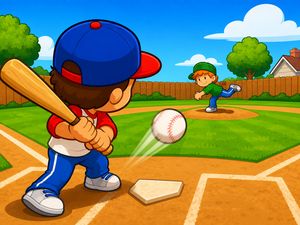
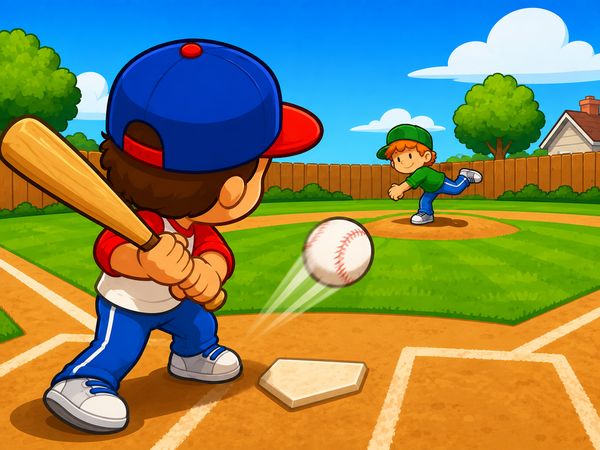
Backyard Baseball turns every inning into a fast kid-sized rivalry, where smart swings and bold base runs can change the score quickly. This cartoon sports game keeps baseball simple, lively, and easy to enjoy. You do not need deep baseball knowledge to start.
Backyard Baseball 1997 arrived during the classic computer-game era. Humongous Entertainment created a colorful baseball world filled with funny kid players and quick decisions. The game feels friendly, but winning still takes timing, planning, and calm defense.
Choose your team, watch the pitch, and make every play count. You can play Backyard Baseball online in your browser when the game is available here. Start a match now, then see whether your lineup can handle the pressure.
What Backyard Baseball Is and Why It Stuck
Series Identity
Backyard Baseball is a cartoon-style sports game about kids playing serious baseball in silly places. Its rules stay close to real baseball, but the mood feels much lighter. Players hit, pitch, catch, steal bases, and chase victory one inning at a time.
Humongous Entertainment gave the game a clear personality. The players look like neighborhood kids, not polished professional athletes. Their bright designs make the field easy to read. Their funny attitudes make each matchup feel different.
The game also helped shape the wider Backyard Sports style. That style uses simple controls, quick games, and memorable characters. It welcomes younger players without making older fans feel bored. You learn the basics quickly, then discover more choices through practice.
If you wonder how to play Backyard Baseball, start with one short exhibition game. Pick a team, choose your pitcher, and watch the batter’s timing. Swing at good pitches, move runners carefully, and field the ball before chasing advanced tricks. Those basic actions explain the whole game.
Why Players Remember It
Many players remember the game because it feels like backyard competition. You can imagine friends choosing sides and arguing over the next batter. The cartoon presentation keeps mistakes funny instead of frustrating.
Backyard Baseball 1997 also arrived before many modern sports games became complicated. It did not bury young players under huge menus or long tutorials. You could begin playing almost immediately. That quick start made the game easy to share with siblings and friends.
Every inning creates small stories. A weak hitter might surprise the pitcher. A risky run might save the game. Those moments help the game stay memorable years after its original release.
What Makes It Different
This arcade baseball game sits between a real simulation and a playful toy. It uses familiar baseball ideas, but it keeps the action friendly and fast. You still need to read pitches and protect leads. However, the colorful setting makes every choice feel less formal.
That mix gives the game a special place among retro sports games. It teaches baseball without feeling like homework.
Batting, Pitching, and Inning Flow
At-Bat Decisions
Batting begins with patience. Watch the pitcher’s motion before you swing. A rushed swing often creates a weak ball or an easy out. A calm batter waits for a pitch that looks easier to hit.
Timing matters more than flashy button mashing. Swing too early, and the ball may roll harmlessly toward a defender. Swing too late, and you may miss the best chance. Try to notice the pitch’s speed and direction.
Good contact can start a rally. A single puts pressure on the defense. A hard hit may move runners or reach the outfield. When runners stand on base, think about the next play before swinging.
Players asking how to play Backyard Baseball for free should focus on the same basics. Access does not replace skill. Watch the ball, choose safe swings, and learn from each at-bat. A short practice game can teach more than random guessing.
Pitch Selection
Pitching gives you control over the batter’s choices. Place the ball away from the hitter’s favorite area. Then change your location before the batter gets comfortable.
Do not repeat one easy pattern. A batter who sees the same pitch can prepare early. Mix speed and placement when possible. Even small changes may create a weak grounder or a missed swing.
Strong pitching also means avoiding careless throws. A bad pitch can begin a rally quickly. Check the situation first. Protect a lead with smart choices, especially when runners already wait on base.
Base Running Pressure
Base running rewards quick thinking. Watch the ball after every hit. Push for another base only when the field gives you a real chance.
A safe single may become a double if an outfielder moves late. Yet one greedy decision can erase a scoring chance. Learn when to stop, return, or keep running.
Good runners study the defense. They notice open space and react before the throw arrives.
Try Backyard Baseball right here and test your timing.
Lineup Building and Player Matchups
Choosing Batters
Lineup building starts with each player’s strengths. Some batters make steady contact. Others can drive the ball farther. A few may offer better balance when your team needs a reliable turn at the plate.
Look beyond one impressive number or moment. A powerful hitter may struggle when the pitcher keeps throwing carefully. A contact hitter may keep an inning alive with a simple ground ball. Choose players who fit the situation.
Think about your first three batters. They should help create early chances. Put dependable hitters near the top when you want runners on base. Then place stronger run producers behind them.
Searches for the best Backyard Baseball players often focus on famous characters. Still, the best choice depends on your plan. Pick the player who fills your biggest weakness. A balanced team can beat a lineup filled with only power.
Balancing the Order
A good batting order spreads danger across the whole lineup. Do not place every strong hitter together. If one bad inning removes that group, your team may stop scoring.
Instead, create small partnerships. Let a steady hitter reach base before a power hitter swings. Follow a risky batter with someone who can recover the inning. This order gives you more chances to score.
Check the lineup after a few innings. If one player keeps struggling, move that player lower. If another batter finds open spaces, give that player a bigger role. Small changes can refresh your attack.
Using Player Strengths
Use speed when the defense leaves room. Use power when runners wait on base. Use reliable contact when you need to avoid a quick out.
Remember your defensive needs too. A player who hits well may also help your fielding plan. Build a roster that can score runs and protect them.
Backyard Baseball Controls and Field Actions
Keyboard Basics
The keyboard keeps movement and action easy to understand. Use it to guide players, swing, pitch, and react during defense. Exact keys may depend on the version or browser setup, so check the controls before your first serious match.
Start with batting. Learn the swing input before worrying about advanced timing. Then practice pitching from both sides of the plate. Finally, move a fielder toward the ball and prepare for the catch.
Small control habits make a big difference. Keep your fingers ready before the pitch arrives. Do not hold random buttons during a tense play. Clear inputs help you respond faster.
These simple backyard baseball tips work well for new players: practice one action, repeat it, then add another. You will understand the game faster than trying every control at once.
Mouse Actions
The mouse often helps with menus and selections. It may also support batting actions, depending on the version you use. Move carefully through choices so you do not select the wrong player or option.
During batting, watch the screen instead of clicking wildly. A careful click gives you more control than frantic movement. Pause between actions when you need to understand what happened.
If the controls feel strange, test them during a low-pressure inning. Learning the mouse setup first can make the rest of the game feel much smoother.
What Beginners Should Practice
Practice batting timing before anything else. Next, learn basic pitching placement. Then field slow balls without rushing.
These three skills cover most early problems. Once they feel natural, add smarter base running and lineup changes. That order keeps learning simple and fun.
Game Modes, Platforms, and Original Release
Where It Originally Ran
The original Backyard Baseball release date was 1997. The game appeared on Windows and Macintosh computers. That makes it a classic PC baseball game and a Macintosh game from the early computer-sports era.
Those platforms shaped the experience. Players used a keyboard, mouse, and computer screen instead of modern consoles or phones. The design focused on quick menus and clear actions. It did not need a large online system to make a match enjoyable.
Today, browser versions may offer a simpler way to revisit the game. A browser setup can run directly on the page with no downloads. Always use a trusted source and follow the instructions shown there.
Single-Player Structure
The original game centers on baseball matches and team choices. You control the action inning by inning. You decide when to swing, where to pitch, and whether a runner should advance.
It does not depend on a giant online league. That focused structure helps younger players learn the sport. You can replay matchups, test different lineups, and improve through practice.
Some players search for a multiplayer baseball game because they want online competition. Backyard Baseball is best understood as a classic computer baseball experience, not a modern online service. Its fun comes from direct play and friendly rivalry.
How the Release Fits the Series
The 1997 launch helped establish the Backyard Sports identity. Later entries kept the humor, kid players, and simple sports action.
That early release also explains its retro look. Backyard Baseball feels like a time capsule from computer gaming’s family-friendly years.
Use these baseball tips and tricks in a fresh match now.
Backyard Baseball Characters and Fan Appeal
Kid-Friendly Rosters
The Backyard Baseball characters give the roster its charm. Each player looks like a kid from a lively neighborhood. Their designs feel bold, colorful, and easy to recognize.
That choice helps young players understand the team quickly. You do not need a long scouting report before choosing a batter. You can watch a few plays and learn who feels comfortable.
Some characters suit aggressive hitting. Others feel better when you need steady contact or solid defense. The roster encourages players to try different combinations. That experimentation keeps each game from feeling exactly the same.
Character names and designs also make matches easier to remember. You may forget one score, but you remember the kid who hit the big shot.
Personality on the Field
Personality changes the mood of every matchup. A colorful player can make a routine at-bat feel special. A surprising defensive play can become the moment you talk about later.
The game avoids a serious professional tone. Instead, it makes baseball feel like a neighborhood contest. That approach invites younger players to join without fear of complex sports language.
Players still make meaningful choices. Personality adds fun, while timing and planning decide the result.
Why Characters Matter
Characters turn a simple roster into a group you remember. They help players choose favorites and build personal rivalries.
That character focus explains why many fans call this the best Backyard Baseball game for pure personality. The players make every inning feel more personal.
Strategy Tips for Better Hitting and Defense
Safer Swings
Wait for a pitch you can handle. Swinging at everything gives the pitcher easy outs. Watch the ball’s path and stay ready for changes in speed.
Use the count to guide your choices. If you already have strikes against you, protect the plate. If you have room to wait, make the pitcher work harder.
Think about runners before each swing. A soft hit might still move a runner forward. A wild swing could end the inning. Good hitters do not chase excitement every time.
Players looking for a Backyard Baseball game free experience should still play with patience. Free access does not make the match automatic. Careful swings create more chances than button mashing.
Smarter Pitching
Change your pitch location often. Make the batter look in one area, then throw somewhere else. Use the corners when you want weaker contact.
Watch the batter’s habits. If the hitter swings early, try a slower choice. If the hitter waits, use a faster pitch or a new location.
Stay calm with runners on base. One careful pitch can stop a rally.
Fielding Without Panic
Move toward the ball early. Keep your fielder between the ball and the base.
Do not chase every play blindly. Choose the safest out first. A clean throw beats a risky dive that misses completely.
Calm defense protects close games.
Backyard Baseball Access and Legacy
Finding the Original Experience
Backyard Baseball still attracts players who remember classic computer games. They often search for the Backyard Baseball game because they want its simple controls and funny characters again.
The original version belongs to the 1997 computer era. Windows and Macintosh players first experienced its kid-focused baseball action there. Modern access may depend on the version available in your browser.
Check the controls before starting. Some browser versions adjust older keyboard or mouse inputs. A quick test inning helps you understand the setup without risking a close game.
Playing It Today
You can revisit the game through a browser when a supported version appears on this page. Browser play may remove the need for a traditional computer installation. Keep your expectations realistic, because older games may not match modern display sizes perfectly.
The game remains easy to approach. Pick a team, learn the basic actions, and start an inning. The Backyard Baseball game still works best when you focus on simple choices rather than complicated systems.
Why Its Legacy Lasts
Backyard Baseball helped define a friendly sports-game style. It made baseball approachable for kids and memorable for older fans.
Search interest continues because the game feels different from serious simulations. It offers humor, quick choices, and characters players still recognize.
That lasting appeal keeps Backyard Baseball the game many fans remember first.
Compare with Similar Games
| Game |
Why Similar |
| Counter-Strike 2 |
Both are competitive multiplayer games with quick matches and accessible pick-up-and-play appeal. |
| Hole.io |
Like Backyard Baseball, it is a light, easy-to-learn arcade-style game with short, casual sessions. |
| MooMoo.io |
Both emphasize simple controls, progression, and fast, casual gameplay rather than realistic simulation. |
Conclusion
Backyard baseball delivers all the excitement of America’s favorite pastime in a fun, accessible format. With quick decisions, satisfying hits, and plenty of opportunities to outplay your opponent, every inning feels engaging from the first pitch to the final score. Whether you are a longtime baseball fan or simply looking for an enjoyable challenge, the game offers an easy-to-learn experience with enough action to keep you coming back.
Its colorful presentation, responsive controls, and pick-up-and-play design make Backyard baseball ideal for short breaks or longer sessions. Step up to the plate, sharpen your timing, and see how many runs you can drive home. There is always another match to win and another high score to chase, so start playing Backyard baseball right here on this page and enjoy the action below.
🎯 Fun Facts About Backyard baseball
- Backyard Baseball is part of the Backyard Sports franchise.
- The original release year was 1997.
- The game originally appeared on Windows and Macintosh computers.
✨ Key Features of Backyard baseball
- Kid-friendly arcade baseball
- Lineup-based team strategy
- Batting and pitching focus
- Playful Backyard Sports style
- Windows and Macintosh release
- Single-player baseball structure
How to Play Backyard baseball
Step 1: Start with a simple game flow
Begin by loading the game and choosing a basic match setup. Backyard Baseball works best when you first learn the pace of innings, batting turns, and fielding changes. Do not rush the opening screens. Spend a moment understanding where the lineup, pitch, and field actions appear before you swing.
Step 2: Pick a balanced lineup
Choose players with a mix of hitting and fielding strengths. A balanced lineup helps you avoid long weak stretches at the plate. Put reliable batters near the top so you can create early runners, then keep steady hitters lower in the order. That structure gives your team more chances to score.
Step 3: Watch pitches before swinging
Do not swing at every ball. Wait for pitches that look easier to hit, especially when you are still learning the timing. Backyard Baseball rewards patience because cleaner contact leads to better hits. If you keep chasing bad pitches, you will create easy outs and lose momentum.
Step 4: Pitch with variety
When you are on the mound, avoid repeating the same pattern. Change placement and timing so hitters cannot guess your next move. Simple variety is often enough to force weaker contact. If the batter starts timing you well, slow down and reset your approach.
Step 5: Run the bases with care
After a hit, pay attention to runner movement. A single can become extra bases if the defense reacts slowly. Still, do not send runners blindly. Think about the outfield position and whether the next base is worth the risk. Smart base running often decides close games.
Step 6: Field cleanly and stay calm
Defense is easier when you react early and stay focused. Move toward the ball as soon as you read the play, then make the safest throw available. Panic causes errors, and errors give the other team extra chances. Clean fielding is one of the fastest ways to improve.
Step 7: Adjust after every inning
Use each inning to notice patterns. If a batter keeps missing outside pitches, stop offering the same look. If your lineup is failing to get runners on base, change the batting order next time. Small adjustments matter a lot in Backyard Baseball because the game stays readable and direct.
Backyard baseball FAQs
What are the basic controls in Backyard Baseball?
The game uses simple keyboard controls for play and mouse input for menus. Players move, swing, and pitch with straightforward commands, which makes it easy to learn quickly.
What platforms was Backyard Baseball released on?
The original Backyard Baseball was released for Windows and Macintosh computers. It is an old PC sports game, not a modern console-first release.
When did Backyard Baseball first come out?
Backyard Baseball was released in 1997. That makes it one of the earlier games in the Backyard Sports line.
Is Backyard Baseball a multiplayer game?
The original game is primarily a single-player baseball experience. The core focus is lineup choices, batting, pitching, and inning control.
How do you score runs in Backyard Baseball?
Runs come from batting well and moving runners around the bases. A good hit can drive in teammates and turn a close inning into a scoring chance.
What makes Backyard Baseball different from serious baseball games?
It uses kid characters, a playful tone, and simpler sports decision-making. The game feels lighter and easier to approach than a realistic baseball simulator.
Do player choices matter in Backyard Baseball?
Yes. Lineup order and player strengths affect how well your team performs. Picking the right batters and balancing the order can improve your scoring chances.
What should beginners focus on first?
Beginners should learn batting timing before anything else. After that, they should practice pitching placement and basic fielding so they can avoid easy mistakes.
What age is Backyard Baseball suitable for?
Backyard Baseball is designed with a kid-friendly style and simple sports action. Its tone and controls make it approachable for younger players and families.
Can I play Backyard Baseball for free in a browser?
The original 1997 game was a commercial PC release, so free browser access is not part of its original format. Search results should be checked carefully before assuming a browser version exists.
When was Backyard Baseball first released?
It was first released in October 1997.
What type of game is Backyard Baseball?
It is an arcade-style baseball sports game.
Is Backyard Baseball multiplayer?
Yes, it includes multiplayer.
Backyard baseball Game Image
No comments yet. Be the first to share your thoughts!